
Critical Food Studies Team
The intra-institutional programme “Critical Food Studies: Transdisciplinary Humanities Approaches” is funded by the Andrew W Mellon foundation.
What is critical food studies?
The Programme grew out of the smaller Food Politics and Cultures Project and has been active since 2019. Involving close collaboration between the Universities of the Western Cape, KwaZulu Natal and Pretoria, the Programme aims to drive a field of critical food studies straddling humanities disciplines, both in South Africa, continentally and globally.
The focus includes postgraduate studies and mentoring, seminars and conferences, academic and accessible online publications, performance and visual art productions as well as public engagement.
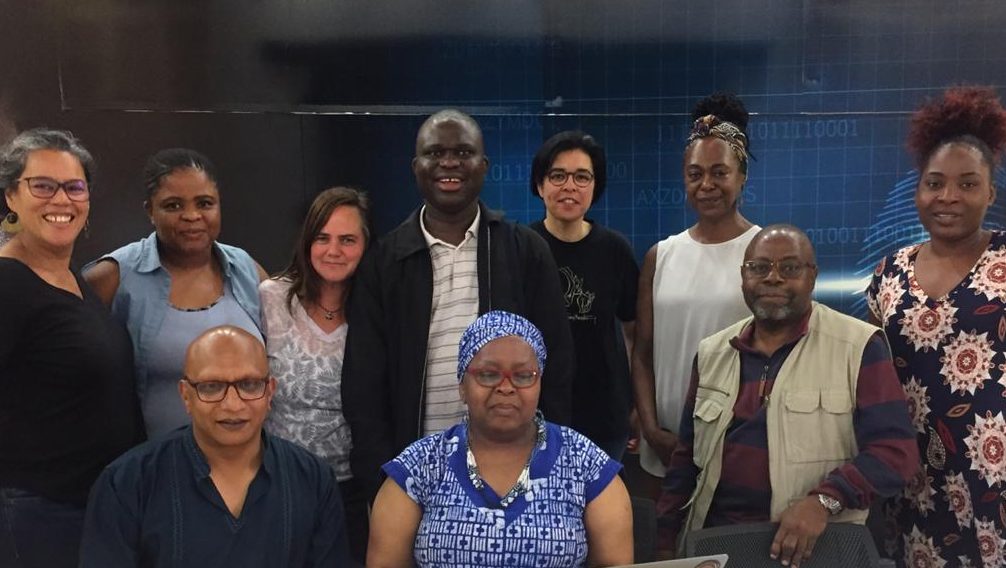
Critical Food Studies team (2019)
Principal Researchers
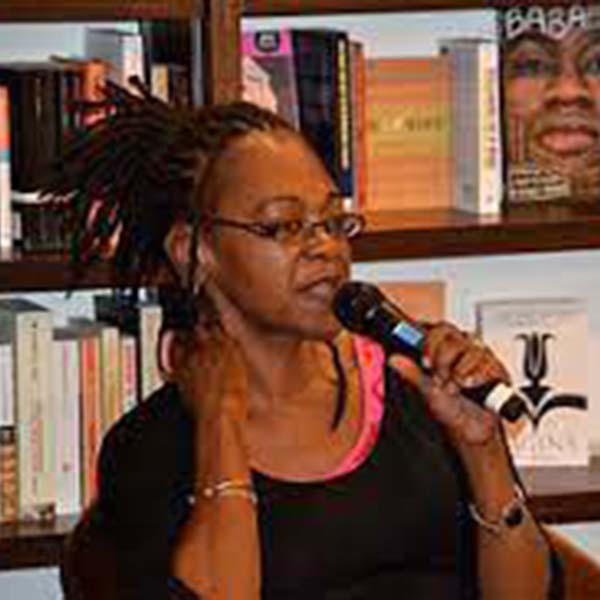
Prof Desiree Lewis
Principal Researcher
(UWC)
Desiree Lewis is a professor in the Women’s and Gender Studies Department at the University of the Western Cape, and the lead Principal Researcher of the Mellon-funded intra-university “Critical Food Studies Programme”. She has taught at the Universities of Cape Town, the University of Kwazulu-Natal and the University of the Witwatersand. She has been a visiting professor and guest researcher at sites including the African Gender Institute at the University of Cape Town (Visiting Professor in 2018 and 2019) , Ruhr University, Germany (Marie Jahoda Visiting Professor in 2017), the Johannesburg Institute for Advanced Scholarship (Research Fellow), the University of Georgia State (Fulbright scholar-in-residence in Women’s and Gender Studies and Literature Departments) and the Nordic African Institute Uppsala, Sweden (guest researcher).
A transdisciplinary feminist academic, Lewis studied at the University of Cape Town, Witwatersrand University and the University of York. Her research interests have included literary and cultural studies, the politics of feminisms, work on gender and sexualities, and, most recently, humanities-oriented food studies. She is the author of Bessie Head and the Politics of Imagining(2007) and has guest edited special journal issues dealing with feminisms, representations of the body, and sexuality and commodity culture.
Her recent work seeks to explore and expand the diversity of knowledge-making about human and social experiences through relationships to food. She is also interested in understandings of food and the human that are embedded in visuality, memory, oral history, popular culture and indigenous knowledges.
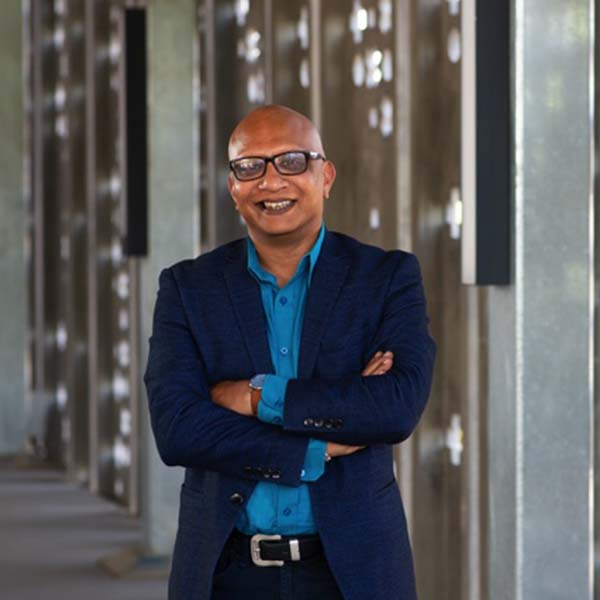
Prof Vasu Reddy
Principal Researcher
(UP)
Vasu Reddy is Professor of Sociology and Dean of the Faculty of Humanities, University of Pretoria. Beyond his primary focus that addresses questions about gender diversity, sexualities, public health and equality of which he has published extensively, recent publications also address social and humanistic questions such as The Fabric of Dissent: Public Intellectuals in South Africa (lead editor, 2020), Ethics, Politics, Inequalities: New Directions (co-edited, 2021) and University on the Border: Crisis of Authority and precarity (co-edited, 2021).
He recently also co-edited with Desiree Lewis a themed edition of the journal, Gender Questions (2021) focused on critical food studies.
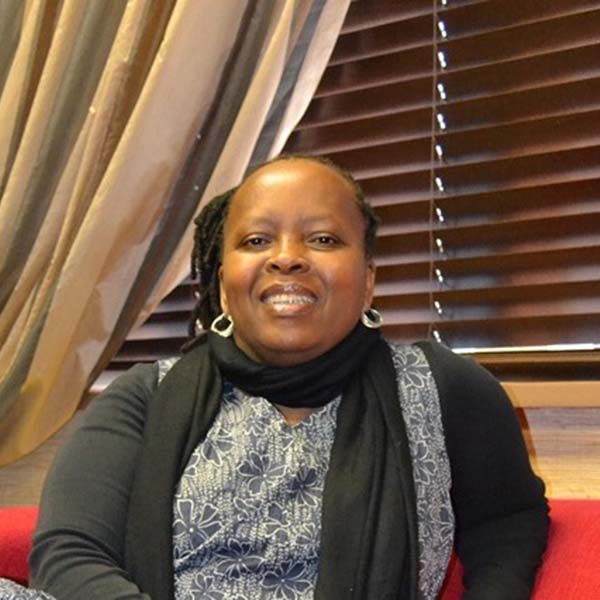
Prof Relebohile Moletsane
Principal Researcher
(UKZN)
Relebohile (Lebo) Moletsane is a Full Professor and the JL Dube Chair in Rural Education in the School of Education at the University of KwaZulu-Natal, South Africa. As part of her Chair in rural education, she has worked in South African rural schools and communities, focusing on teacher development around such issues as poverty alleviation, gender inequality and HIV prevention as barriers to education and development.
Moletsane has extensive experience in participatory visual methods (PVM) in research and development. Furthermore, she has led and been actively involved in multi-disciplinary research on HIV&AIDS, including HIV&AIDS-related stigma, GBV and sexual and reproductive health and right and girlhood studies. As recognition for her work on addressing poverty in rural communities, Moletsane was the 2012 winner of the Distinguished Women in Science (Humanities) Award presented by the National Department of Science and Technology.
She was a 2014 Echidna Global Scholar at Brookings Institutions’ Centre for Universal Education, where she completed a research report: The Need for Quality Sexual and Reproductive Health Education to Address Barriers to Girls’ Educational Outcomes in South Africa. Washington, DC: Centre for Universal Education, The Brookings Institution.
Senior Research Fellow

Dr Lynn Mafofo
Senior Research Fellow
(UWC)
Dr Lynn Mafofo’s research broadly engages with issues of food branding, advertising, positioning, and consumption in the formal and informal sector particularly in the Western Cape province of South Africa. Looking at the background of both the global and local food systems where food seems to acquire collective meaning through being imagined, symbolized and ritualized, she is interested in exploring, how the massive corporatization of food in the global world and food centered discursive strategies seem to embody ideological elements that resonate with particular socially accepted ideas, feelings or desires of offshore economies at the expense of local economies thereby subjecting unhealthy food consumption.
This includes exploring how the literal or visual representation and positioning of food and cuisine divulge diverse historical, political, raced and gendered subjective identities and world views, in the context of food sovereignty as a radical alternative to neoliberal perspective to food security in the global south.