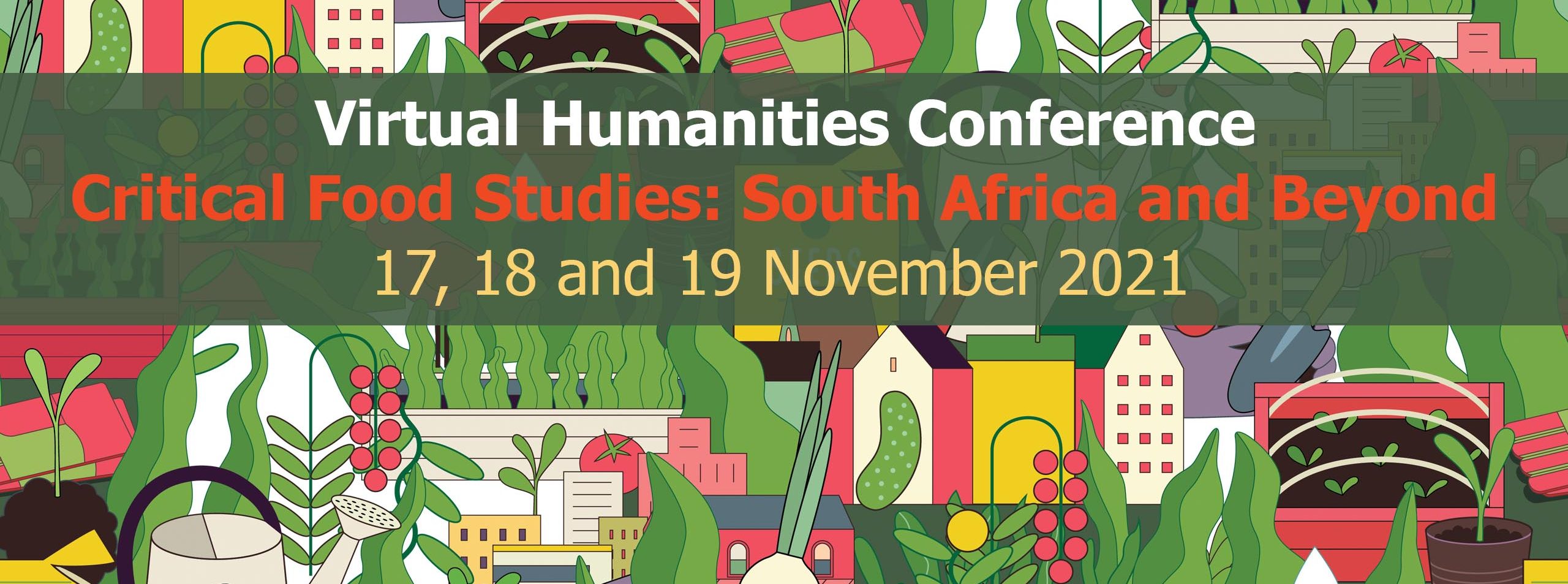
Virtual Humanities Conference

Welcome message from hosts and organisers

We are delighted and privileged to host an event which brings critical food scholars, artists and intellectual activists – from a rich diversity of vitally connected contexts and experiences – together for this conference. We warmly welcome each of you from across the globe, and to use a food studies metaphor, also across culinary lines too.

If food is material, visceral, tangible, sensorial, we wish we could have met in person, in the flesh, in an embodied way. But we are grateful that inspite of the limitations facing us as peoples in /of the world, we are still able to meet, as a consequence of technologies that connect us. We equally recognize that many do not have such privileges. We are especially excited about the opportunity for salient engagements across continental lines and to learn from each other. Our current global knowledge economy and higher institutional environments limit opportunities for enriching exchanges among humanities scholars, intellectual activists and progressive artists who are committed to South-South exchanges. Yet these conversations play pivotal roles in enriching thought (both academic, in the public sphere) and within an expansive transdisciplinary archive that is currently producing such stimulating, innovative and critical work on: social subjects’ affective responses; complex social identifications and histories; how human beings creatively build sensory, tactile and imaginative meanings through food items; as well as anthropocentric and ecocidal discourses and practices currently at the core of the world’ dominant food systems.

Our interest in deepening and enriching global and transdisciplinary exchanges, while doing so from a perspective that squarely confronts colonial and racist histories, intersecting power relations and postcolonial feminist political ecology, is one of our primary reasons for organising this conference. The responses of artists, scholars and activists – in South Africa, neighbouring African countries, India and the US have been extremely heartening. These are evidence that food studies is a vital field for those struggling to make sense of – among other things – widespread ecocide, anthropocentric practices and discourses, and the tyranny of Big Food monopolies and marketing. Yet these oppressive dynamics are being constantly linked to encouraging and transformative ones, such as: resilient and innovative foodwork among socially marginalised groups; rich stores of undervalued knowledge about sourcing, sharing and cooking food; or intricate uses of food items and practices in individuals’ and groups’ performative identities or acquisition of economic and social capital.

The conference abstracts we accepted prompted us to group papers thematically, in ways that will enhance the trandisciplinary conversations (also across region, nation, and identity) that are necessary in food studies. Over three days, therefore, scholars, activists and artists will bring different methodological and intellectual perspectives to bear on five themes: Discursive space clearing, (mainly confronting our need to battle for transformative critical discourses and artistic practices in the context of hegemonic scientist, technicist and conservative discourses both in and beyond the academy), Food in/and social history, focusing particularly on how the cultural and social journeys of food are connected to and yield rich and nuanced social histories; Aesthetics/politics/ Food, (exploring the nexus of food’s meanings with its combined political, sensory, visual and representational force); Local Worlds/Global Foodways and Foodscapes (dealing primarily with how local analysis of food leads us to ancient and recently forged spaces, places and routes for acquiring food as well as eating and cooking), and Humanising Food Justice (foregrounding investments of compassion, affect, sensory experiences and care ethics in politics that can easily be instrumentalised).

These themes are, however, overlapping, and one of our objectives following the conference is to find conceptually innovative ways of archiving and publishing the range of work within “Critical Food Studies”.

Our collective oral deliberations will intersect with pre-recorded dramatic and dance performances, installations and documentaries available for private viewing on the website. Our reasoning here is that, if food is experienced viscerally, through – amongst others – taste, feel and sight, then it its exploration at the heart of our cultural life demands creative, dialogic and visual modes of engagement too. Consequently, artwork, visual texts, installations and performances and documentaries will all feature largely in the context of more scholarly presentations and talk. As indicated in the programme, these will be integrated into various presentations and keynotes.

With thanks to the organising team for making this conference possible; Desiree Lewis, Relebohile Moletsane, Vasu Reddy & Lynn Mafofo.

Thank you to those who assisted with the organisation of the conference, notably: Heather Thuynsma, Avril Grovers, Minnie Nokuthula Magudulela and the team at XL Millennium Conference & Event Management.

CONFERENCE HOSTS AND ORGANISERS

Virtual Humanities Conference

Hosted by Critical Food Studies together with the University of the Western Cape (UWC), University of Pretoria (UP) and the University of Kwazulu-Natal (UKZN)

This virtual conference sought to draw innovative humanities and creative work together in lively conversation. Humanities-driven food studies are making steady inroads into food security studies domains that neglect human, cultural and anti-positivist perspectives. By creating a platform for critical food studies driven by humanities, the visual arts and performance, this conference opens up critical thinking and creative expression about the relations between food and the human both in and beyond South Africa.

Information

By creating a platform for critical food studies driven by humanities, the visual arts and performance, this conference opens up critical thinking and creative expression about thee relations between food and the human both in and beyond South Africa. ​

Keynote Speakers​

Psyche Williams-Forson, Yvette Abrahams, Kole Ade Odutola, and Jonathan Bishop Highfield

Information

By creating a platform for critical food studies driven by humanities, the visual arts and performance, this conference opens up critical thinking and creative expression about thee relations between food and the human both in and beyond South Africa. ​

Information

By creating a platform for critical food studies driven by humanities, the visual arts and performance, this conference opens up critical thinking and creative expression about thee relations between food and the human both in and beyond South Africa. ​

Conference Recap

Events included panel discussions, dialogues, art exhibitions, demonstrations, and pre-recorded performances. Note that both non-academic and academic presentations and genres are encouraged. One pivotal aim of the conference was, and still is, to generate lively engagement among thinkers, artists, performers and food growers or makers.

Keynote Speakers
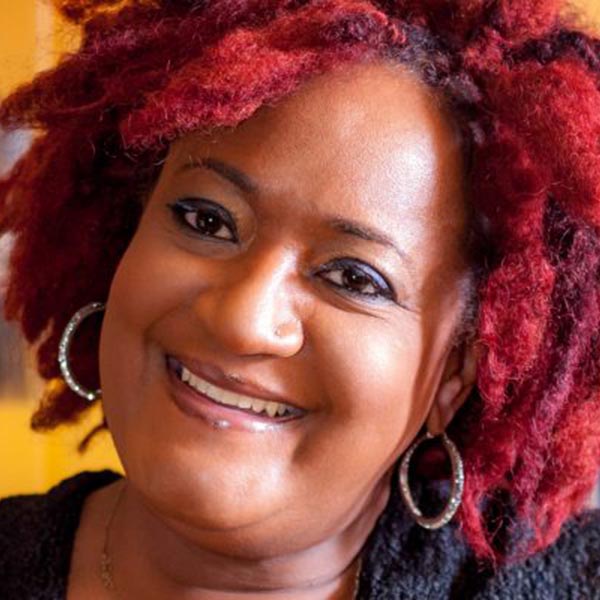
Psyche Williams-Forson

University of Maryland
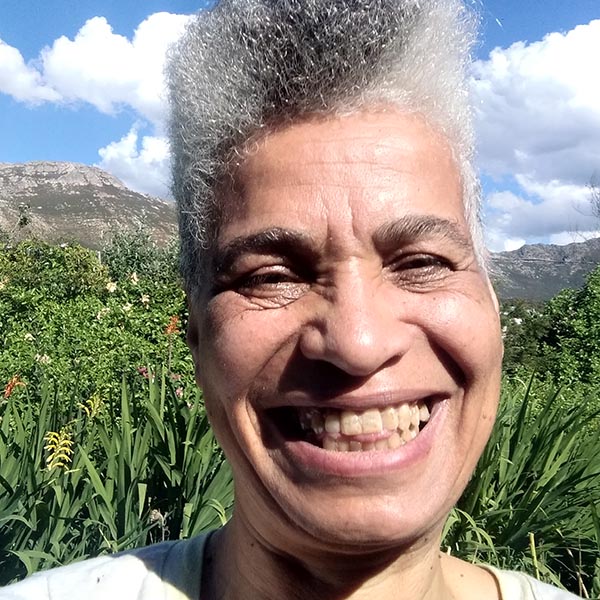
Yvette Abrahams

Cape Town
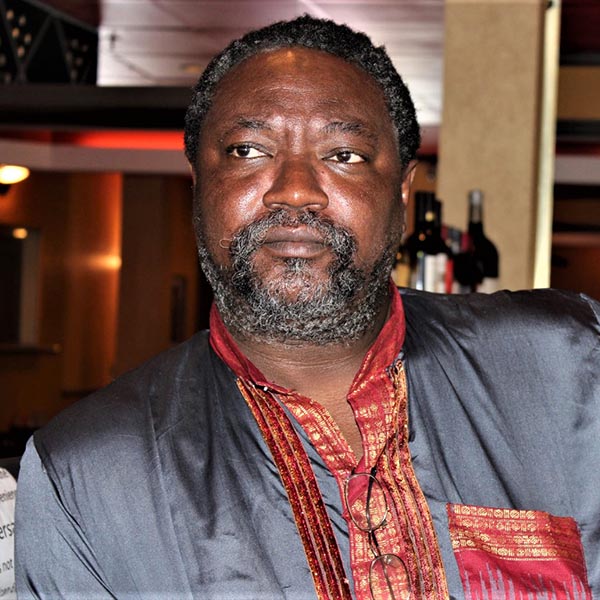
Kole Ade Odutola

Lecturer in Yoruba

Johnathan Bishop Highfield

Rhode Island School of Design

Visual and Performance Artists
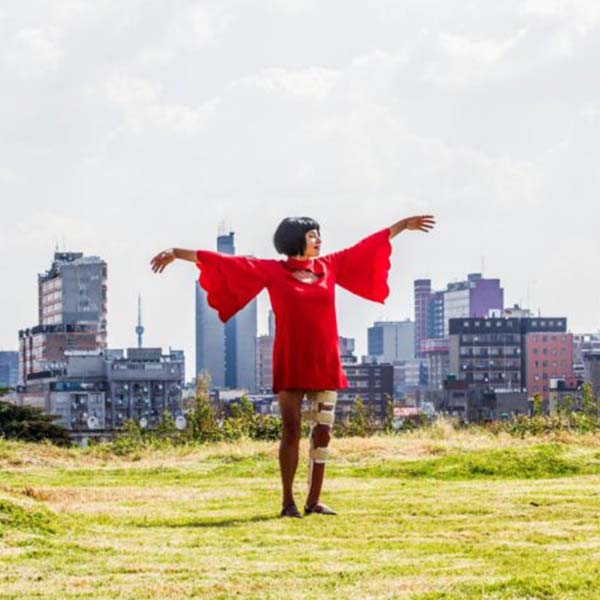
Shelley Barry

University of Johannesburg
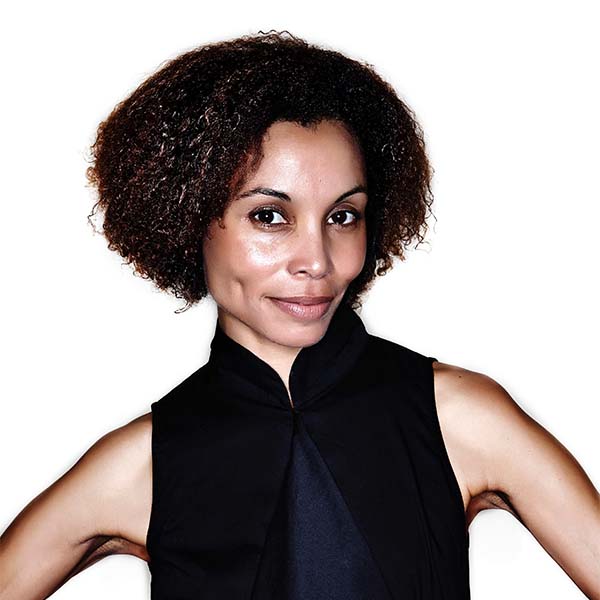
Jacki Job

Dance Performance

Marié-Heleen Coetzee

Visual Theatre

Edu-Drama

Theatre

Conference Hosts and Organisers
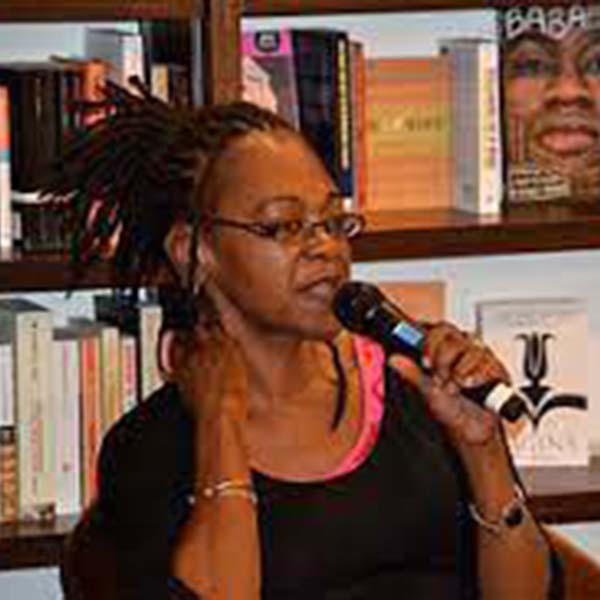
Desiree Lewis

University of the Western Cape
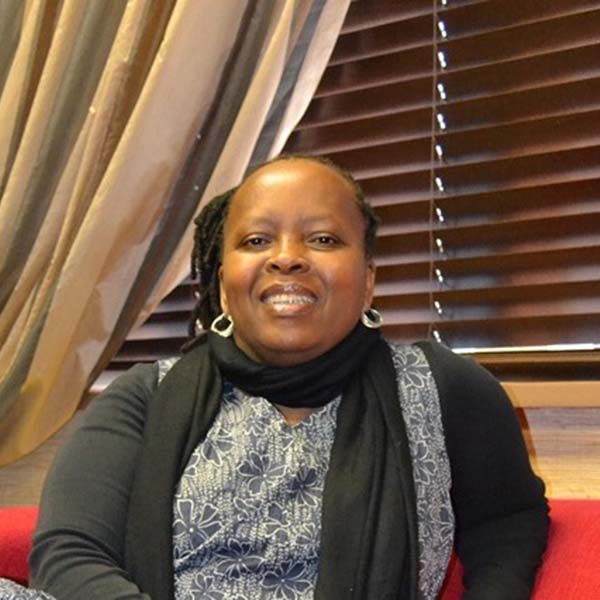
Relebohile Moletsane

University fo KwaZulu-Natal
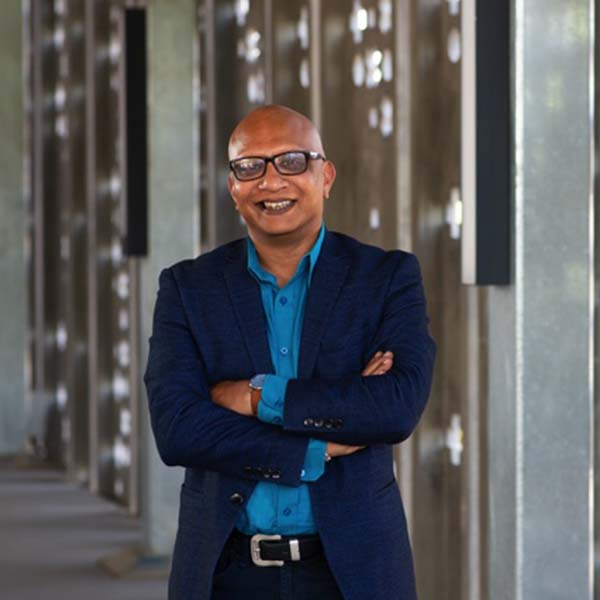
Vasu Reddy

University of Pretoria

Lynn Mafofo

University of the Western Cape